Shisan Yue Calligraphy and Painting Ink (new)
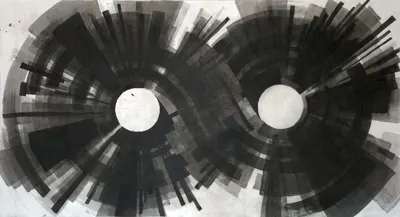
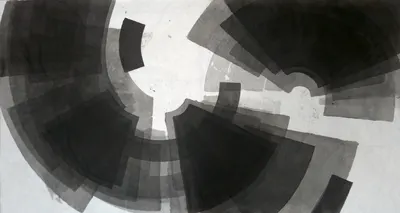
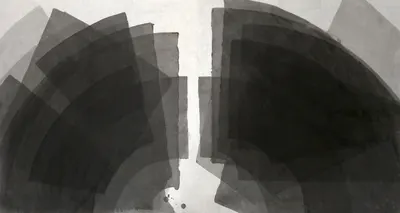
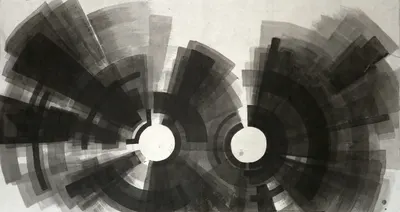
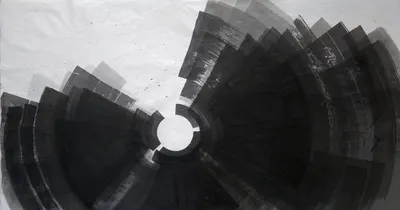
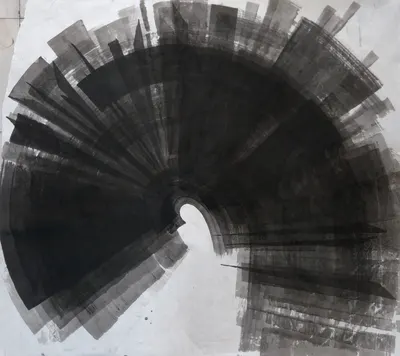
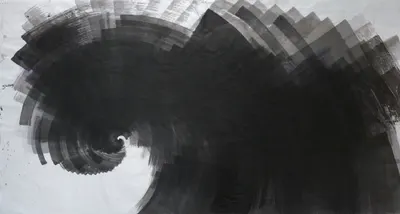
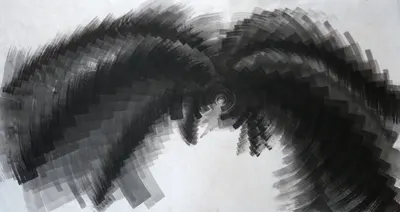
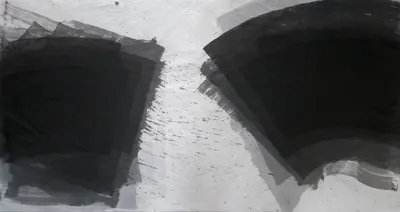
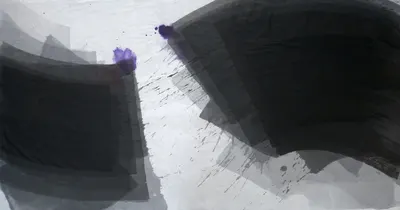
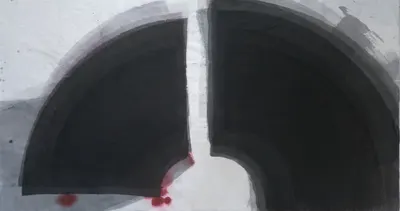
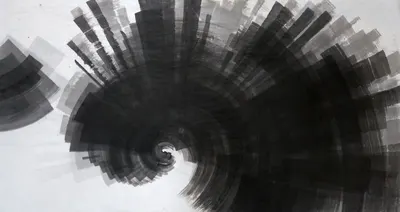
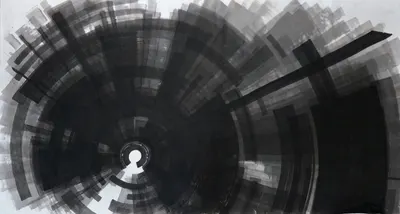
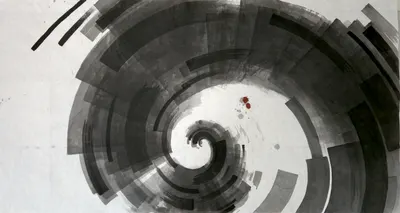
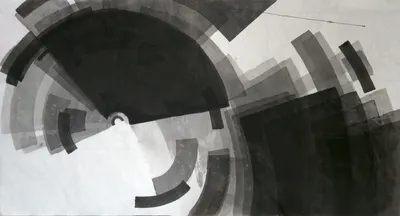
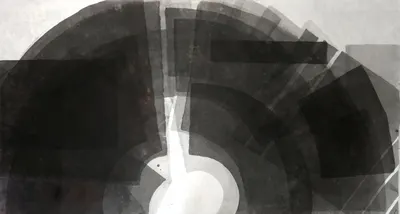
Shisan Yue (Thirteenth Month), China. 十三月 书画墨汁. 19 paintings from 2026.10.16 to 2026.10.26, 16 shown here.
The record.
From the registry, rebuilt from Peter's researched material cards. Label: medium concentration oil soot (中浓油烟). Binder not stated. Dates and counts from the works registry, 2026-09-30. Ratios and dilution practice are Peter's to add. C2 and C3 overlap from May to mid-June. C4 brings in MB9, the first pine soot ink, alongside MB6 and the Boku-Undo resin ink (MB8). Single-ink works are rare (about five). In the works registry the same mix is written several ways (`MB4, MB5, MB6`, `MB4/MB5/MB6`, `MB6, MB5, MB4`); the Oracle's works adapter normalises them to these mix codes. **MC means colour ink of any kind** (Peter, 2026-10-06): there are far too many bottles, and each colour is a blend of ten or so inks, so colours are not tracked separately. New works record colour as `MC`; the numbered codes MC1 to MC8 on older works mean the same thing. 41 works carry colour as of 2026-10-06. Not profiled. **Glue inks (MB1, MB2, MB4, MB6, MB7, MB9):** upright, sealed, cool and dry; shake gently; warm to room temperature if they thicken; about 5 years sealed. **Resin inks (MB3, MB5, MB8):** upright and sealed, stable at any temperature, will not spoil; diluted ink is best used within months. Yi De Ge invented modern liquid ink in 1865 (Qing Dynasty) and is National Intangible Cultural Heritage. Kuretake was founded in Nara in 1902 (MB1, MB7). Boku-Undo is a Japanese heritage maker of ink and calligraphy supplies (MB3, MB5, MB8). **Ink chemistry reference:** oil soot (油烟墨) comes from vegetable oils: glossy, rich black. Pine soot (松烟墨) comes from pine wood: matte, cooler, more spreading; MB9 is the first in the rotation. Glue binders are traditional and water-soluble when rewetted; synthetic resin binders are water resistant once dry, temperature-stable and do not spoil. First produced Tang Dynasty (742 to 756 AD), Jing County, Anhui Province. 100+ manufacturing steps, 1 to 2 years per sheet, mountain spring water, Qingtan bark, rice straw. Inscribed on the UNESCO Representative List of Intangible Cultural Heritage, 2009. Authentic Xuan paper lasts 1,000+ years under correct storage.
Three sources, side by side.
The maker's card, what is typical for this type (a reference, labelled so), and what Peter recorded at the table. Empty means not recorded.
In use.
Its life on the table, among the other inks of the year.
Every photo day.
Each dot a photo day, sized by the paintings made with it. Highlighted: this one.
Where the ink sits on MB10.
Every painting with this ink, cut into the same 72 zones and averaged: the brighter a tile, the more of each zone its paintings inked. 19 paintings. Open it in Visual Mapping.
What V23 read on it.
The mean rung on each ladder for paintings made with it, against the mean across every V23 reading. This mixes the material with the months it was used in; read it as a description only.
Bead: the mean rung on this material across 19 V23 readings. Ring: the mean across all 259. The line between them, and the number at the end, is how far this material sits above (cyan) or below (ember) the archive.
The paintings.
Every painting made with it that this site shows, by date.