Xuan paper: what it is, how it is sized, and what fourteen papers did
What Xuan paper is, raw, half-raw and cooked sizing, and first-hand data on fourteen Chinese papers used for a year of large ink painting.
What Xuan paper is.
Xuan paper (宣纸, xuan zhi) is the classic paper of Chinese ink painting and calligraphy. It is made in Jing County, Anhui, from the inner bark of the blue sandalwood tree (qingtan, Pteroceltis tatarinowii) blended with rice straw, beaten, formed by hand on a screen and dried on heated walls. The bark gives long, strong fibres; the straw gives bulk and absorbency. It takes its name from Xuanzhou, the prefecture that traded it, and the craft of making it was inscribed on UNESCO's list of intangible cultural heritage in 2009.
Raw, half-raw, cooked.
The single most important property of a painting paper is its sizing: how much it has been treated to resist water. Raw paper drinks; cooked paper repels; half-raw sits between. The same stroke behaves differently on each, so painters choose paper the way they choose a brush.
The same ink, three papers.
A schematic of how one drop of ink behaves on each kind of paper. Cooked paper is brushed with alum and animal glue (jiao fan), which holds the ink on the surface.
Fourteen papers, measured.
Most writing about Xuan paper describes it in general. This archive registered every paper it used: maker, mill, fibre, sizing, date of manufacture, and weight computed from each pack's weight and sheet count. 11 of the 14 come from Jing County. Of the sized papers, 3 are raw, 10 half-raw and 1 cooked.
Grams per square metre.
Every paper in the registry whose packs were weighed. Lighter papers spread and cockle more under a heavy wet load; heavier ones hold layered washes better.
Same name, different paper.
Two packs from the same mill, sold under the same product name, weighed 49.6 and 43.1 grams per square metre. Only the small print on the packs told them apart: one was an edition made for expressive painting, the other a lighter edition. The lighter paper bled, held a softer edge and was weaker wet, and the painter had to size it himself. A paper's name is not a guarantee of its behaviour; read the edition on the pack.
Xuan, or calligraphy paper?
Under China's geographical-indication standard, only paper from Jing County made with qingtan bark and Shatian rice straw may be sold as Xuan paper. Many good painting papers are 'calligraphy and painting paper' (书画纸, shuhua zhi), made with other fibres. The premium bark papers used for most of this archive's later work are labelled this way and list wood pulp alongside the bark. Look for the fibre list, not only the word Xuan.
In the archive.
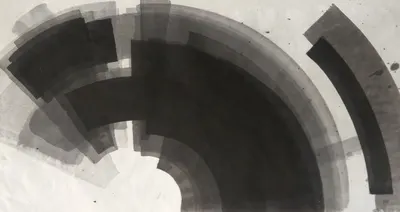
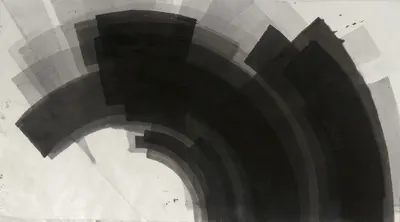
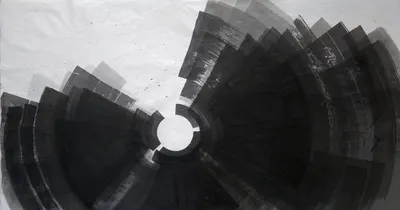
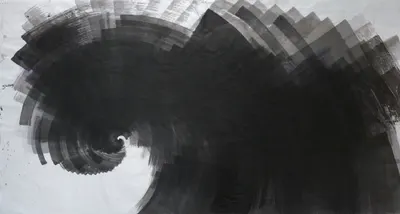
Paintings from the Crucible Year that show it.
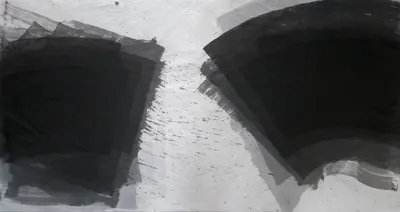
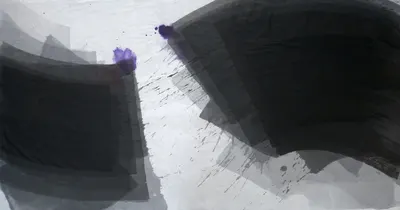
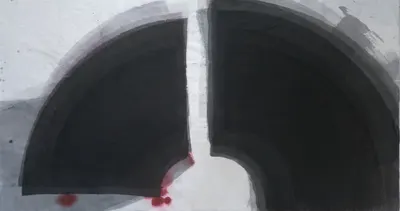
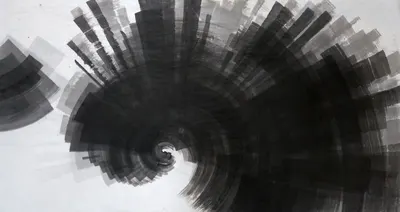
Questions and answers.
Plain answers to the questions most often asked.
What is Xuan paper?
Xuan paper is the traditional Chinese paper for ink painting and calligraphy, made in Jing County, Anhui province, from the bark of the blue sandalwood tree (qingtan) and rice straw. It is named after the old Xuanzhou prefecture, and its making was inscribed by UNESCO as intangible cultural heritage in 2009.
What is the difference between raw and cooked Xuan paper?
Raw (sheng) Xuan is unsized: ink sinks in and spreads, giving soft, bleeding edges. Cooked (shu) Xuan is coated with alum and glue: ink sits on the surface with crisp edges and little spread. Half-raw (ban shu) is lightly sized and sits between them.
Is every 'Xuan paper' really Xuan?
No. Under China's geographical-indication standard for Xuan paper, the name belongs to paper from Jing County made with qingtan bark and Shatian rice straw. Many sheets sold for painting are 'calligraphy and painting paper' (shuhua zhi) with other fibres, including some premium bark papers used in this archive, which list wood pulp.
What size is a six-foot sheet?
A six-foot (liu chi) sheet is about 97 × 180 cm, the standard large format and the size of most paintings in the Crucible Year.
What weight is Xuan paper?
The papers weighed for this archive ran from 42.4 to 49.7 grams per square metre, computed from pack weights. Two papers sold under the same product name by the same mill differed by about 13%: the packs showed they were different editions.